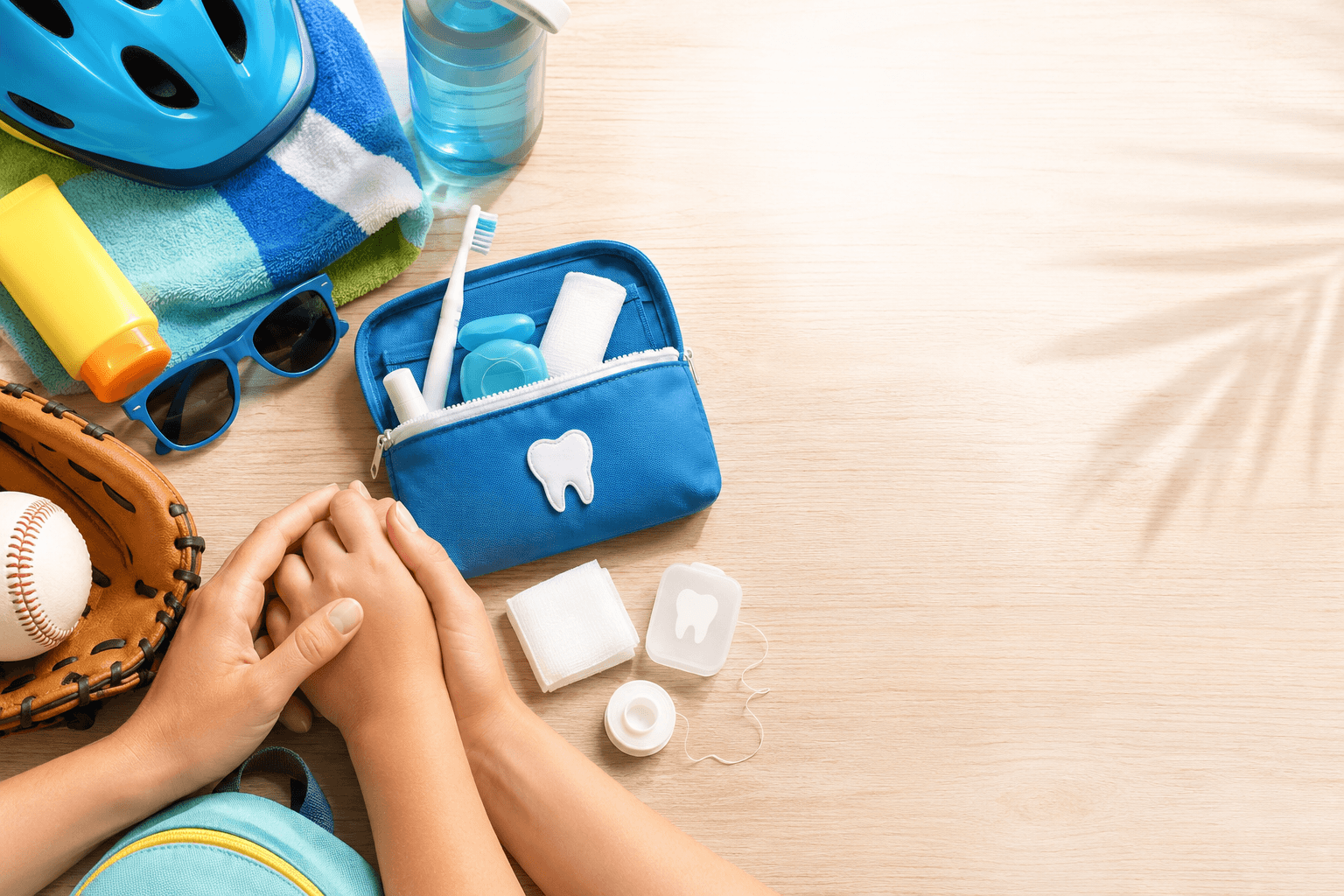
Summer gives children more time to swim, play sports, ride bikes, attend camp, and enjoy family trips. Most days are full of fun, but accidents can happen quickly. A child may slip near the pool, take a hit during a game, bite into something hard, or suddenly complain about tooth pain at bedtime.
When that happens, the first question is usually: What should I do right now?
The right response depends on the injury, but staying calm, checking the mouth carefully, and contacting a dentist when there is pain, swelling, bleeding, or visible damage can help your child get the right care sooner.
What to Do If Your Child Chips or Breaks a Tooth
Have your child rinse gently with warm water. If you find the broken piece, save it and bring it to the dental visit. Place a cold compress on the outside of the cheek if there is swelling.
Call the dentist promptly, even if the chip looks small. Some cracks extend farther than they appear, and the tooth may need care to prevent sensitivity or more damage. Until it is checked, have your child avoid chewing on that side.
What to Do If Your Child Has Tooth Pain
Tooth pain can come from a cavity, gum irritation, a small injury, trapped food, or infection. Because these problems can feel similar, a dental examination may be needed to find the cause.
Have your child rinse with warm water and gently floss around the sore area. A cold compress may help if there is swelling.
Do not place aspirin directly on the tooth or gums because it may irritate or burn the tissue. Call the dentist if the pain continues, worsens, affects eating or sleeping, or comes with swelling, fever, or a bad taste.
What to Do If a Filling or Crown Comes Loose
Keep the area clean and have your child avoid chewing on that side. A loose filling or crown can leave the tooth sensitive to air, food, or cold drinks.
Do not try to glue it back in place at home. A dentist should examine the tooth promptly and decide what care is appropriate.
Check Carefully After Sports or Play Injuries
After a blow to the mouth or face, look for bleeding, swelling, broken or loose teeth, tooth movement, jaw pain, or trouble biting normally.
If your child says their bite feels “off,” call the dentist. A dental injury is not always obvious from the outside.
Mouthguards can help protect the teeth, lips, cheeks, and gums during contact sports or activities where falls are possible.
When Should You Call the Dentist?
Contact a dental professional promptly if:
- A tooth is broken, cracked, loose, or knocked out
- The face or gums are swollen
- Pain is severe or lasts longer than a day
- Bleeding does not stop
- A filling, crown, retainer, or dental appliance is damaged
- Your child has trouble biting, chewing, or opening the mouth
If a permanent tooth is knocked out, call immediately. Hold it by the crown, not the root, and keep it moist. If it is a baby tooth, do not try to put it back in place. Call for guidance instead.
Seek emergency medical care if your child has trouble breathing or swallowing, rapidly spreading swelling, a severe facial injury, or symptoms that make them feel seriously unwell.
What Not to Do During a Dental Emergency
Avoid these common mistakes:
- Do not ignore pain that keeps returning
- Do not place aspirin directly on the gums or tooth
- Do not use sharp tools to examine the area
- Do not try to glue a tooth, filling, or crown back in place
- Do not let your child return to play before checking for injury
- Do not assume an injured baby tooth does not matter
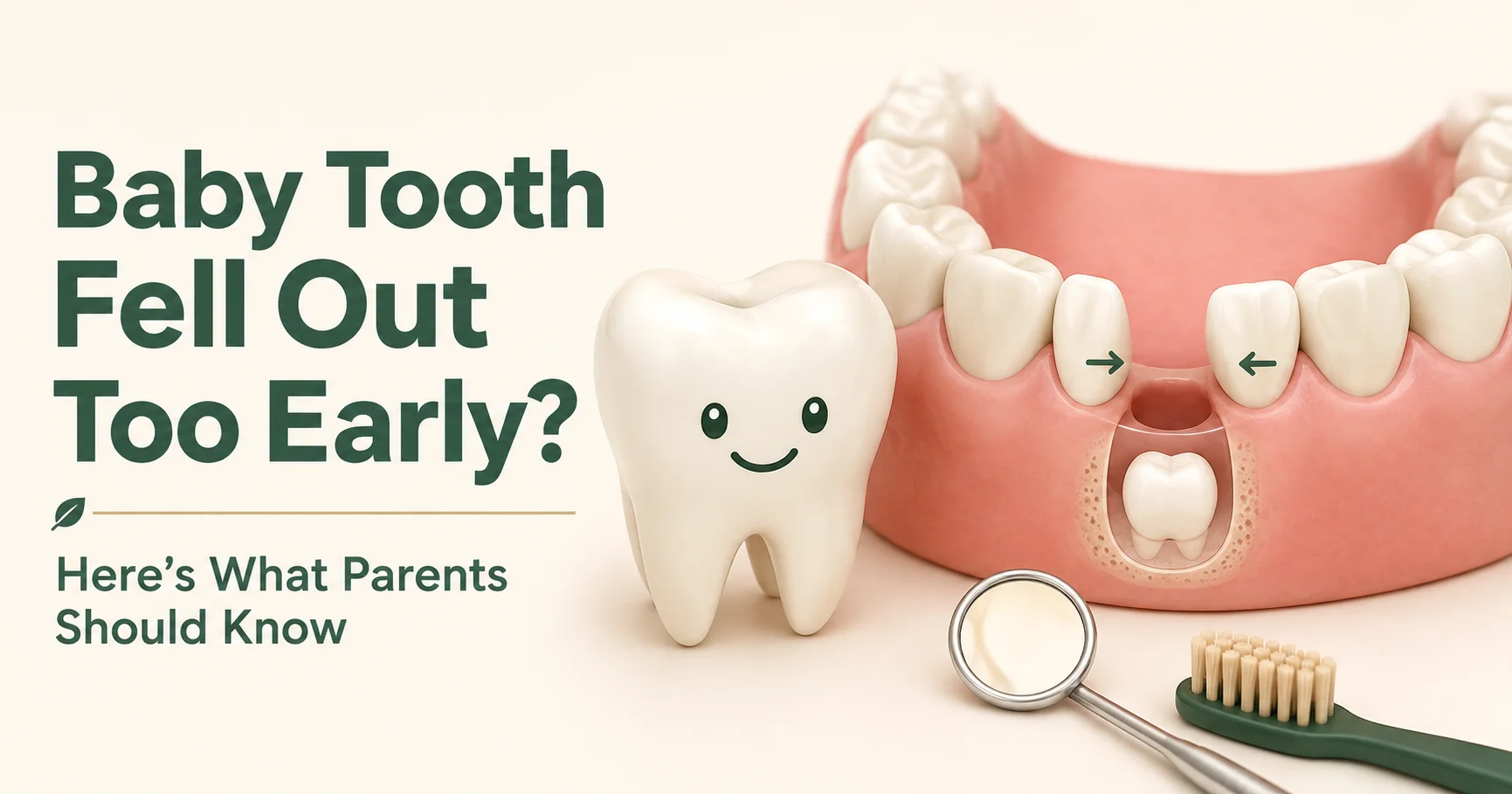
Baby teeth help children chew, speak, and hold space for permanent teeth. Even though they eventually fall out, injuries to baby teeth still deserve attention.
Helping a Nervous Child Feel More Secure
A dental emergency can be frightening for a child, especially when there is pain, blood, or a visible change to a tooth.
Speak calmly and avoid describing treatment in a scary way. Let your child know the dentist will first look at the area, explain what is happening, and decide what care may be needed.
At Garden Valley Family & Cosmetic Dentistry, we aim to listen, explain care clearly, and provide a respectful, compassionate experience.
Frequently Asked Questions
Can a small chipped tooth wait?
A small chip should still be checked by a dentist. Some damage is difficult to see, and an examination can show whether the tooth needs repair, smoothing, or monitoring.
What should I do if my child knocks out a permanent tooth?
Call a dentist immediately, hold the tooth by the crown, and keep it moist. Fast professional guidance matters because treatment depends on the injury and how quickly care is received.
Should I put a knocked-out baby tooth back in place?
No. Do not reinsert a baby tooth because doing so may affect the developing permanent tooth. Contact a dentist for instructions.
When is facial swelling an emergency?
Facial swelling needs prompt attention, especially when it is worsening or comes with fever or severe pain. Trouble breathing or swallowing, rapidly spreading swelling, or serious illness requires emergency medical care.
Local Help for Summer Dental Emergencies
When an accident happens, you do not have to guess what comes next. If your child has tooth pain, swelling, bleeding, or a damaged tooth, contact Garden Valley Family & Cosmetic Dentistry.
Families looking for a dentist in Roanoke, TX can contact us to discuss the symptoms, confirm current appointment availability, and learn the most appropriate next step.
This article is for general educational purposes and is not a substitute for a dental examination, diagnosis, emergency care, or personalized treatment advice from a qualified dental professional.