
Tooth-Colored Fillings and Crowns
Crowns and Fillings
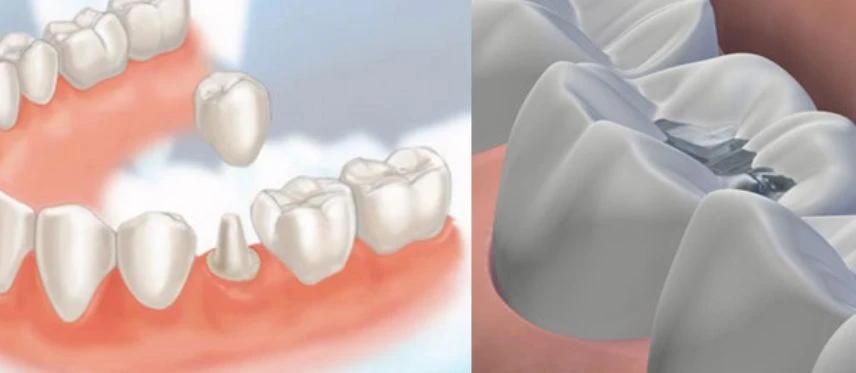
Crowns and fillings made of tooth-colored materials, often called “white” or “composite” restorations, mimic the shade of your natural teeth. Composite resin is used to make your new veneers so that they look like they are part of your natural teeth.
Crowns made to match the color of your natural teeth are used to protect and conceal decaying or broken teeth. During the procedure, the decayed part of the tooth is cut out, and the healthy teeth are shaped to fit the crown. The crown is cemented onto the tooth, resulting in a durable and lifelike repair.
Cavities and broken teeth can be repaired with tooth-colored fillings. During this procedure, the part of the tooth that is decayed or otherwise damaged is cut out and replaced with composite resin. Once the filling has been sculpted and polished, it will look just like the rest of the tooth.
Crowns and fillings made to match your natural teeth have many advantages.
Aesthetically, tooth-colored restorations are preferable since they blend in with your teeth.
Tooth-colored fillings and crowns remove less of the natural tooth than silver amalgam fillings and gold crowns.
Restorations that are tooth-colored adhere to the tooth, making them both sturdy and long-lasting. appearance, many patients choose tooth-colored crowns and fillings. If you’re interested in tooth-colored restorations, talk to your cosmetic dentist about your options.
Dental fillings
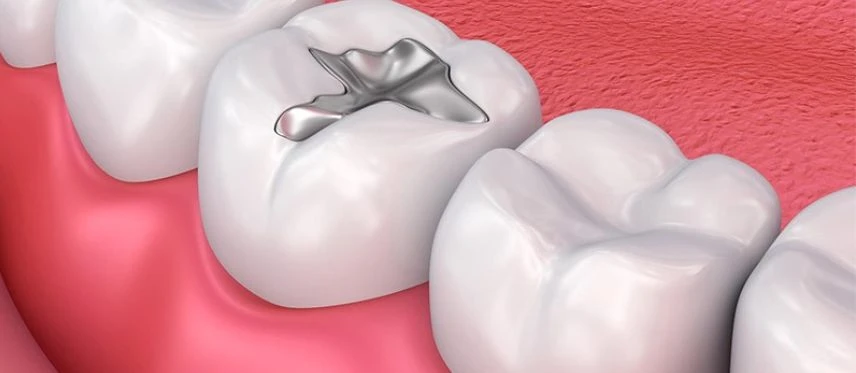
Dental fillings restore decayed, cracked, or fractured teeth.
Fillings usually entail these steps:
- Local anesthetic numbs the tooth-filling region.
- A dental drill removes the decaying or damaged tooth.
- Cleaning the decayed or damaged area removes trash and microorganisms.
- The filling material conforms to the tooth’s natural shape.
- Special lights harden the filler material.
- The treated tooth may be sensitive or uncomfortable for a few days to a week after the surgery. To preserve your filling, follow our after care instructions and practice basic dental hygiene.
Dental Crown
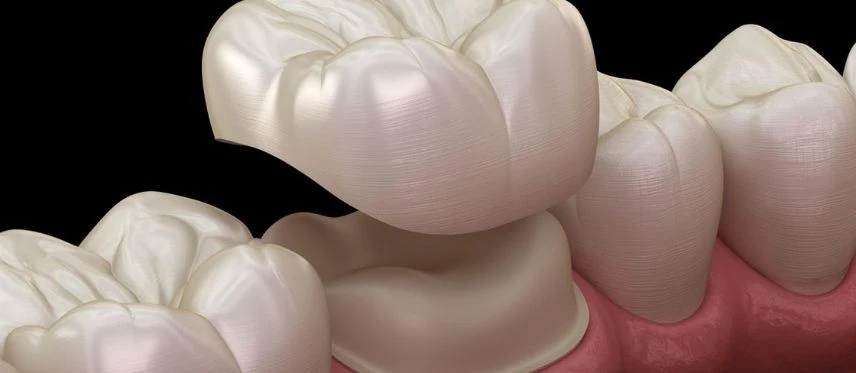
A dental crown, often called a “cap,” covers a broken, weakened, or discolored tooth to restore its shape, size, and strength. Crowns are usually constructed of porcelain, ceramic, metal, or a mix of these materials.
Steps to receiving a dental crown:
- Your dentist will numb the crown-required tooth’s region.
- A dental lab will make the crown from the dentist’s tooth impression.
- A temporary crown will safeguard the prepared tooth while the permanent crown is created.
- After making sure it fits and feels good, the dentist will switch out the temporary crown for the permanent one.
- The dentist will modify the crown to fit comfortably.
- Permanently cement the crown.
After a crown, follow our aftercare instructions. After the surgery, you may feel sensitivity or discomfort. To preserve your crown, brush and floss daily.
Tooth-Colored Fillings to Repair Decay
If a tooth has developed a cavity and decay has commenced, fillings are required. If decay is allowed to progress, it might result in more serious complications, such as bone loss. Filling cavities can prevent the need for crowns, root canal therapy, or tooth extraction in the future.
A tooth-colored fillings and crowns (also called a porcelain crown) are made from a tooth-mimicking material called composite resin. It can be used to restore a tooth that is weakened by decay or broken down. The main advantage of a composite filling is its aesthetic appeal; the dentist or dental assistant chooses a shade (color) in order to provide you with a customized filling that matches the color of your natural teeth. Composite fillings are bonded to the tooth to better support the structure of the tooth and prevent decay and breaking.
Frequently Asked Questions
What is the difference between a tooth-colored filling and a dental crown?
A tooth-colored filling is used to repair small areas of tooth decay or minor damage while preserving most of the natural tooth. A dental crown is recommended when a tooth has significant decay, a large fracture, or extensive wear that cannot be restored with a filling alone. A crown covers the entire visible portion of the tooth to restore its strength, function, and appearance. The most appropriate treatment depends on the amount of healthy tooth structure remaining.
How long do tooth-colored fillings and dental crowns last?
The lifespan of tooth-colored fillings and dental crowns varies based on the material used, oral hygiene habits, diet, and regular dental care. Composite fillings often last several years, while dental crowns can last 10 to 15 years or longer with proper maintenance. Brushing twice a day, flossing daily, and attending routine dental checkups can help extend the life of both restorations.
Are tooth-colored fillings and crowns safe and natural-looking?
Yes. Tooth-colored fillings and modern dental crowns are made from durable, biocompatible materials designed to closely match the color of natural teeth. They are commonly used to restore teeth affected by decay, cracks, or wear while maintaining a seamless appearance. These restorations blend with surrounding teeth, allowing patients to smile, speak, and chew with confidence.
Our dentists at Garden City Family Dentistry and Garden Valley Team will design a plan for you based on your needs and budget.