
A toothache that keeps you awake can feel much more serious once the house is quiet. You may be wondering whether you can safely wait until morning or need urgent care now.
Not every nighttime toothache is a dental emergency. However, severe or worsening pain, facial swelling, fever, uncontrolled bleeding, or pain after an injury should be assessed promptly. Trouble breathing or swallowing, rapidly spreading swelling, or swelling near the eye or throat requires emergency medical care.
At Garden Valley Family & Cosmetic Dentistry, we want you to understand what your symptoms may mean and what you can safely do next.
Why Does Tooth Pain Feel Worse at Night?
Tooth pain may feel stronger at night because lying down can change pressure around your head and mouth. An irritated tooth, inflamed gum, or sore jaw may become more noticeable when you recline.
At night, fewer distractions can make every pulse or ache harder to ignore.
Grinding or clenching during sleep may also worsen pain, especially when a tooth, filling, crown, or jaw joint is already irritated.
When Is Nighttime Tooth Pain an Emergency?
Nighttime tooth pain may need urgent dental care when it is severe, persistent, or accompanied by other concerning symptoms.
Contact a dental professional promptly if you have:
- Strong, throbbing, or constant tooth pain
- Pain spreading into the jaw, ear, face, or neck
- Swelling around the gums, cheek, or jaw
- A broken, cracked, or knocked-out tooth
- Pain after a dental or facial injury
- Bleeding that does not stop
- Pus, a bad taste, or fever
- Pain that prevents sleep or keeps returning
Swelling can sometimes be related to infection, but only an examination can determine the cause. Even without visible swelling, ongoing pain deserves attention.
When Should You Seek Emergency Medical Care?
Call emergency services or go to an emergency department right away if you have trouble breathing or swallowing, swelling that is spreading quickly, swelling near your eye or throat, a high fever, confusion, or you feel seriously unwell.
These symptoms should not wait for a regular dental appointment.
What Can Cause Tooth Pain at Night?
Several dental and non-dental issues can cause nighttime tooth pain.
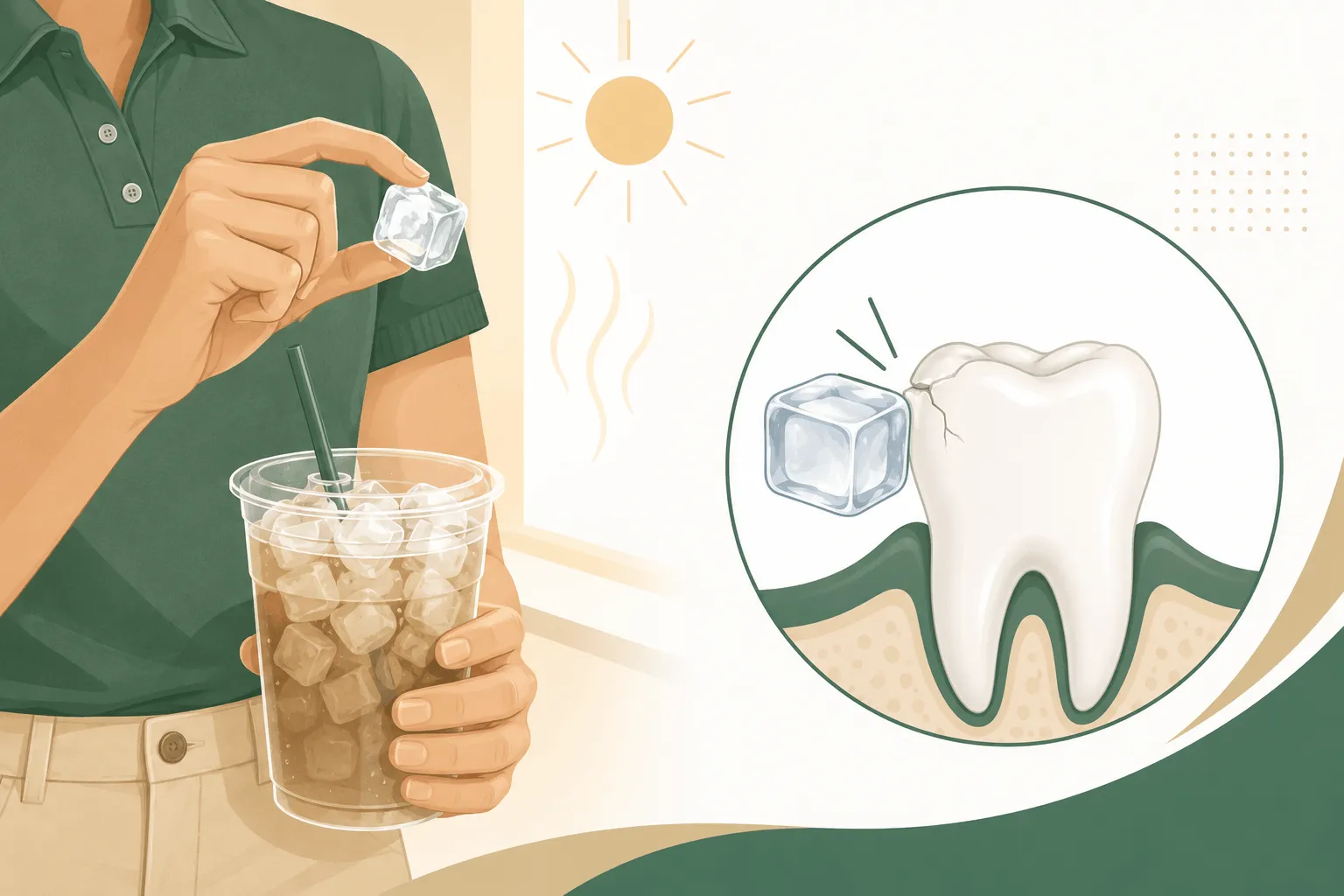
A cavity may irritate the deeper layers of a tooth and cause aching or sensitivity. A crack, loose filling, or damaged crown may hurt when you bite or when the tooth is exposed to hot or cold temperatures.
Gum irritation or infection may cause tenderness or swelling near a tooth. Sinus pressure can sometimes make the upper teeth ache. Grinding, clenching, and strain around the jaw joint may also feel like tooth pain.
In some cases, deep decay or inflammation may affect the tissue inside the tooth where the nerve is located. Because these problems can feel similar, we need to examine the area before recommending treatment.
How Can You Manage Tooth Pain Until You Are Seen?
Temporary home care may make you more comfortable, but it cannot treat the underlying cause.
You may:
- Rinse gently with warm salt water
- Floss carefully around the painful tooth
- Place a cold compress outside your cheek for short periods
- Keep your head slightly elevated while resting
- Use an over-the-counter pain reliever only when it is safe for you and according to the label
Do not place aspirin directly on your tooth or gums because it may irritate or burn the tissue. Avoid poking the area with sharp tools or trying to drain swelling yourself.
Try not to chew on the painful side. Very hot, cold, hard, or sugary foods may also increase discomfort.
What If You Feel Nervous About Calling?
It is understandable to feel anxious when you are in pain and unsure what treatment may involve. Cost concerns or fear of hearing bad news can also make it tempting to wait.
Calling does not commit you to a particular treatment. It gives you a chance to explain what you are experiencing and ask what level of care may be appropriate. At our office, we aim to listen, explain care clearly, and consider your comfort and individual needs.
Frequently Asked Questions
Can a toothache wait until morning?
A mild toothache without swelling, fever, injury, or worsening symptoms may sometimes wait until the dental office opens. Contact a dental professional as soon as possible if the pain continues or returns.
Does severe tooth pain always mean an infection?
No. Severe pain can have several causes, including decay, a crack, a damaged restoration, gum problems, or jaw strain. A dental examination is needed to identify the cause.
Can I use heat on a swollen face?
A cold compress is generally a safer temporary choice for dental swelling or soreness. Because swelling may signal an infection or injury, contact a dental professional promptly.
What should I do if a tooth is knocked out?
Handle the tooth by the crown rather than the root and seek urgent dental care immediately. Do not scrub the root or force the tooth back into place.
Should I visit the emergency room for tooth pain?
Most toothaches are treated by a dentist. Go to an emergency room if you have trouble breathing or swallowing, rapidly spreading swelling, swelling near the eye or throat, confusion, or severe illness.
Get Clear Guidance for Nighttime Tooth Pain
You do not have to guess whether your symptoms can wait. If your tooth pain is severe, keeps returning, or comes with swelling, fever, bleeding, or an injury, contact Garden Valley Family & Cosmetic Dentistry.
If you are looking for a dentist in Roanoke, TX, we can help you understand the next appropriate step and confirm current appointment availability.
This article is for general educational purposes and is not a substitute for an examination, diagnosis, or personalized treatment advice from a qualified dental professional.