
If your child seems comfortable and isn’t complaining about tooth pain, it’s easy to wonder whether a dental visit can wait.
For most children, a dental checkup about every six months is usually recommended, unless their dentist advises a different schedule. Some children may need more frequent visits because of cavities, braces, developing teeth, gum concerns, or difficulty brushing well.
Regular visits help us prevent problems, watch your child’s teeth and bite as they grow, and make dental care feel familiar instead of stressful.
Most Children Benefit From a Checkup Every Six Months
A twice-a-year schedule gives us a regular chance to check your child’s teeth, gums, and dental development.
During a routine visit, we may examine and clean the teeth, look for early signs of decay, and check areas that are difficult to reach at home. We also watch how baby teeth are coming in or falling out, how permanent teeth are developing, and whether the bite is changing.
Every child is different. A six-month schedule works well for many children, but it is not a one-size-fits-all rule. If your child needs a different schedule, we should explain the reason clearly.
These visits are also a good time to ask about brushing, flossing, loose teeth, frequent snacking, thumb-sucking, or toothpaste choices. We can offer guidance based on your child’s age and needs.
Why Regular Visits Matter Even Without Pain
A small cavity may develop quietly. Plaque can collect near the gumline or in the grooves of back teeth. A child may start chewing on one side without mentioning discomfort, and bite changes can happen gradually.
Regular checkups help us notice these changes earlier. Finding a concern sooner may make the next step simpler than waiting until it becomes painful or affects eating, sleeping, or school.
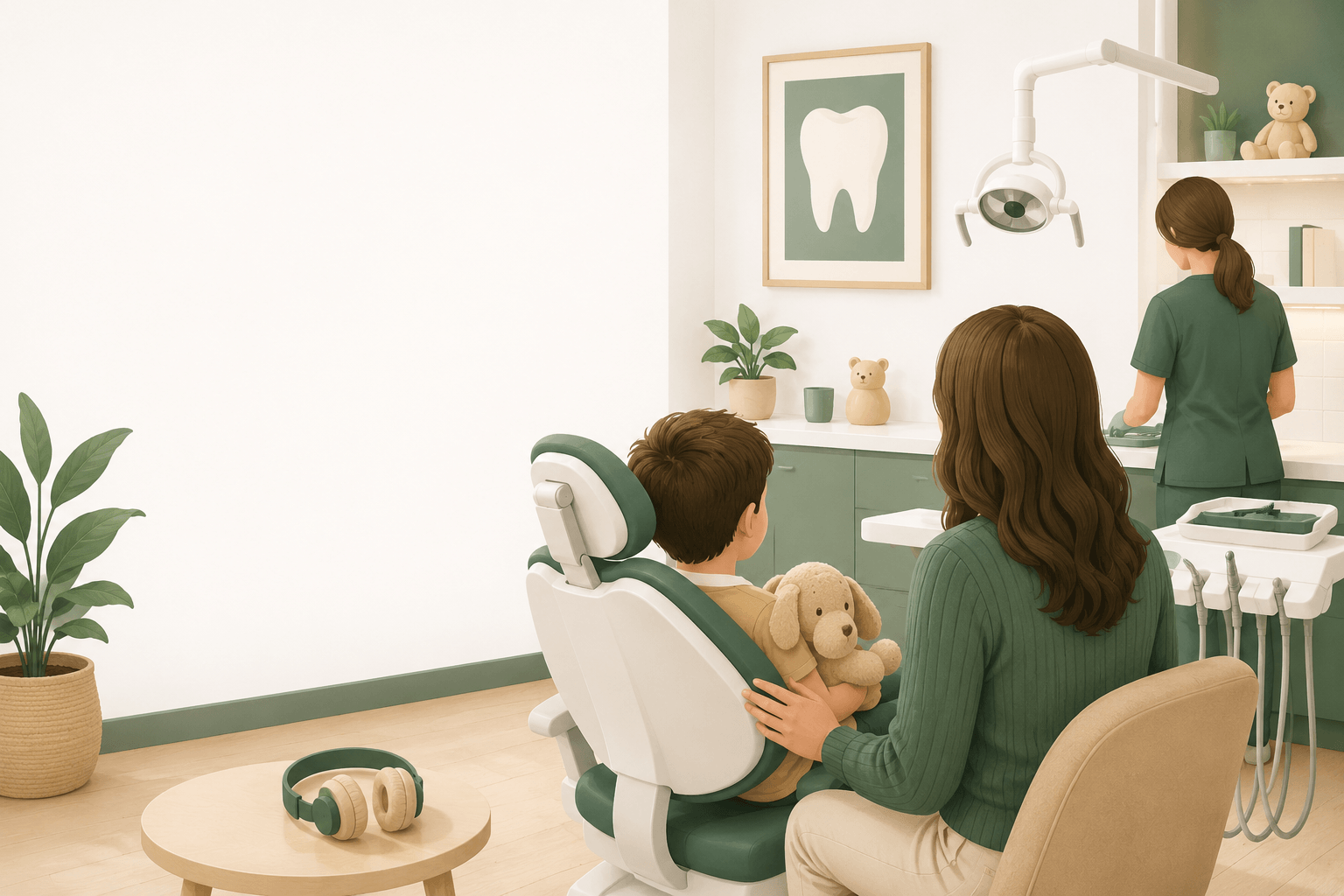
Routine care also helps children build confidence. When visits happen before there is an emergency, children can become familiar with the office, the dental chair, and the people caring for them.
When Should a Child Have Their First Dental Visit?
A child’s first dental visit should usually happen when the first tooth appears or by the first birthday.
The first visit is mainly about prevention, education, and helping you feel prepared.
We can discuss brushing, teething, bottles, pacifiers, thumb-sucking, snacks, and what to expect as more teeth come in. Early visits also help your child become comfortable with dental care before there is pain or a problem.
Why Baby Teeth Need Regular Care
Baby teeth are temporary, but they have important jobs.
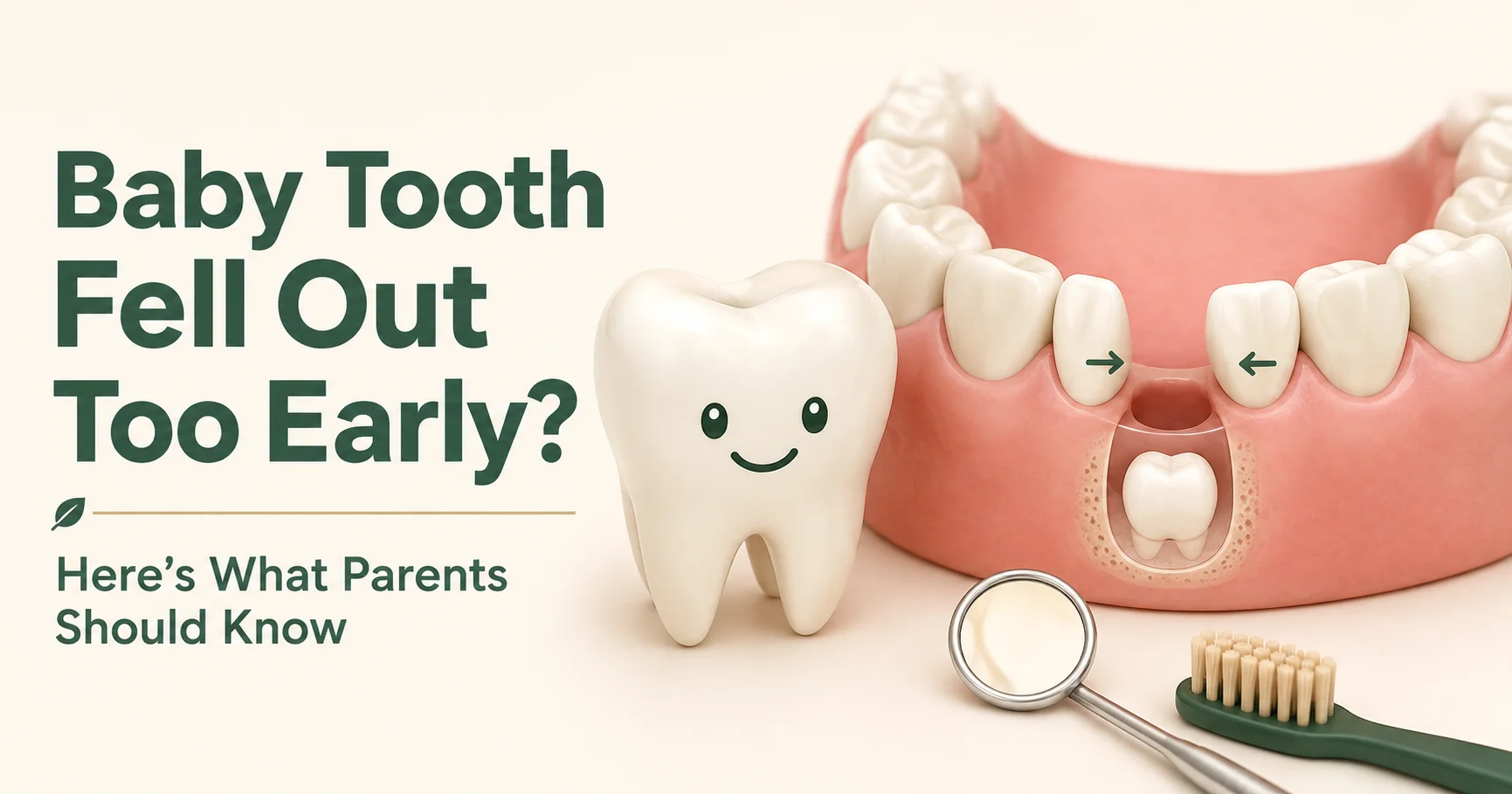
They help children chew, speak clearly, and hold space for permanent teeth. A cavity or infection in a baby tooth may cause pain and affect eating, sleep, or comfort. If a baby tooth is lost too early, nearby teeth may shift and influence how permanent teeth come in.
Signs Your Child May Need to Be Seen Sooner
You do not need to wait for the next routine checkup if something feels wrong.
Contact a dental professional if your child has:
- Tooth pain or ongoing sensitivity
- Swollen or bleeding gums
- A chipped or injured tooth
- Visible dark spots or tooth changes
- Trouble chewing or changes in eating habits
- Bad breath that does not improve
- Sudden avoidance of cold drinks or chewing on one side
Children do not always describe discomfort clearly. A comment such as “it feels weird” or a sudden change in eating may be worth checking.
What If Your Child Feels Nervous?
Dental anxiety is common, especially for young children or those who have not visited in a while.
At Garden Valley Family & Cosmetic Dentistry, we aim to explain care in simple language, listen to concerns, and move at a respectful, child-friendly pace. Familiar visits can help children understand what to expect and may make future appointments feel less intimidating.
Parents can help by keeping explanations calm and simple. Avoid frightening details, and let your child know the dental team will explain each step.
Frequently Asked Questions
Does my child really need a dental visit every six months?
Most children benefit from a checkup about every six months. Their dentist may recommend a different schedule based on cavity risk, braces, oral hygiene, or dental development.
Should my child see a dentist if there is no pain?
Yes. Cavities, gum irritation, and bite changes may not cause pain at first. Routine exams help identify concerns that may be difficult to see at home.
What happens during a child’s routine visit?
A routine visit often includes an examination and cleaning, along with a review of the teeth, gums, bite, and dental development. The exact care depends on your child’s age and needs.
What should I do if my child is afraid of the dentist?
Tell the dental team before the visit. Use calm, positive language at home, avoid frightening details, and give your child space to ask questions.
When should I call before the next checkup?
Call sooner if your child has pain, swelling, bleeding gums, a dental injury, trouble chewing, or visible tooth changes. An examination is needed to determine the cause.
Helping Your Child Build Healthy Dental Habits
Family schedules in Roanoke can get busy, and routine appointments may slip by when nothing seems wrong. Still, consistent care gives us a chance to support healthy development, answer your questions, and help your child feel more comfortable with dentistry.
If it has been around six months since your child’s last visit, or you are unsure when they should return, contact Garden Valley Family & Cosmetic Dentistry at (682) 237-2353. Our office is at 105 Country View Drive, Suite 300, Roanoke, TX 76262. Families looking for a dentist in Roanoke, TX can also visit gardenvalleydentistry.com for current appointment information.
This article is for general educational purposes only and is not a substitute for a dental examination, diagnosis, or personalized treatment advice from a qualified dental professional.