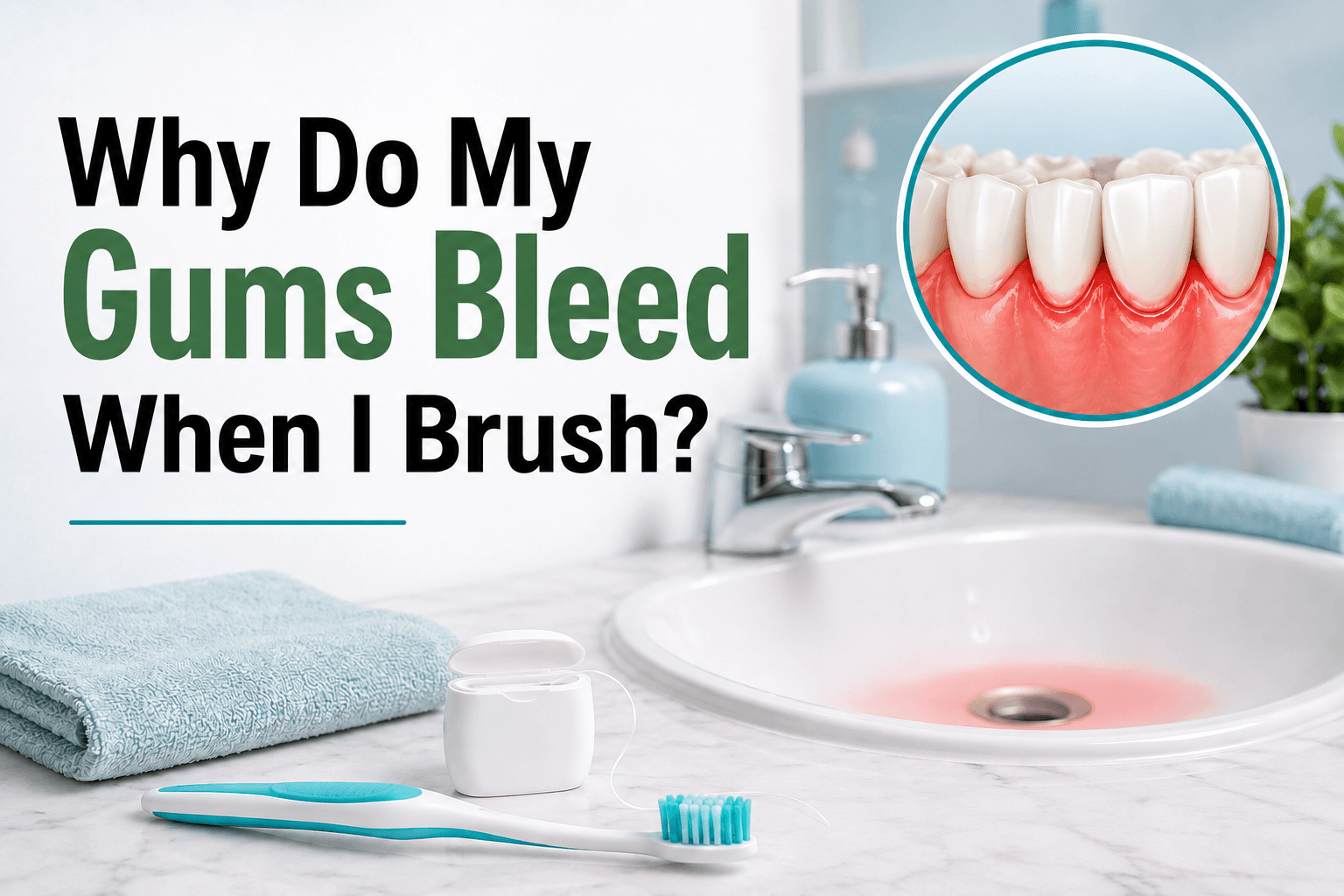
If you notice pink or red in the sink after brushing, it’s normal to worry. The most common reason gums bleed when brushing is that the gum tissue is irritated or inflamed. Sometimes it’s from brushing too hard. Sometimes it’s from plaque buildup. And sometimes it’s an early sign of gingivitis or gum disease.
At Garden Valley Family and Cosmetic Dentistry in Roanoke, Texas, we hear this question often: “Why do my gums bleed?” There are several possible causes, and the best way to know for sure is to have a dentist take a look.
Common Reasons Your Gums Bleed When Brushing
Brushing too hard
A lot of people brush with good intentions, but with too much pressure. Your gums are soft tissue, and scrubbing hard can irritate them. A soft-bristled toothbrush and gentle circles usually clean better than aggressive brushing.
Starting or changing your flossing routine
If you recently started flossing again, your gums may bleed for a few days. That can happen when plaque has been sitting between the teeth and irritating the gums. With gentle, consistent flossing, mild bleeding often improves. If it doesn’t, that’s a good reason to schedule an exam.
Plaque and tartar buildup
Plaque is the sticky film that forms on teeth every day. When it sits along the gumline, it can make gums red, tender, swollen, and more likely to bleed. Once plaque hardens into tartar, you can’t brush it away at home. That’s where a professional dental cleaning helps.
During a dental cleaning in Roanoke, TX, our team can remove buildup from areas your toothbrush and floss can’t fully reach.
Gingivitis
Gingivitis is the early stage of gum disease. It often causes bleeding gums, puffiness, redness, and tenderness. The good news is that gingivitis can often improve with better oral hygiene and professional dental cleaning. The key is not ignoring it.
Gum disease
If gingivitis is left untreated, it may progress into more serious gum disease. This can affect the tissue and bone that support your teeth. Bleeding may happen along with bad breath, gum recession, loose teeth, soreness, or changes in the way your bite feels.
We don’t want you to assume the worst. But if bleeding gums when brushing keep happening, it’s worth getting checked by a dentist in Roanoke, TX.
Medications, pregnancy, and health factors
Bleeding gums are not always just about brushing and flossing. Some medications, including blood thinners, may make bleeding more noticeable. Pregnancy can make gums more sensitive because of hormone changes.
Vitamin deficiencies, especially low vitamin C or vitamin K, may also play a role. Other health factors, including diabetes, immune concerns, or bleeding disorders, can affect gum health too.
When Is Bleeding Normal, and When Is It Not?
A tiny bit of bleeding once in a while may happen if you brushed too hard, flossed a tender spot, or just restarted flossing. If it’s mild and improves quickly, it may not be urgent.
But healthy gums generally should not bleed every time you brush.
Bleeding may be more serious if it happens often, lasts more than a week or two, comes with pain or swelling, or appears with bad breath, gum recession, loose teeth, or pus near the gums.
You should also call a dental office if your gums bleed without brushing, if the bleeding seems heavy, or if you have a medical condition that affects healing or bleeding. We can’t diagnose you through a blog post, but we can help you figure out what’s going on with an exam.
What You Can Do at Home for Better Gum Health
A few small daily habits can make a real difference:
- Brush twice a day with a soft-bristled toothbrush.
- Use gentle pressure. Think “massage,” not “scrub.”
- Floss once a day, even if your gums bleed a little at first.
- Rinse with water after meals when you can.
- Stay hydrated, especially if you deal with dry mouth.
- Keep up with regular dental cleanings.
Good oral hygiene at home matters, but it doesn’t replace professional care. Even people who brush well can still get tartar buildup in hard-to-reach places.
How Our Roanoke Dental Team Can Help
At Garden Valley Family and Cosmetic Dentistry, we help patients understand the cause of bleeding gums without judgment or scare tactics. Our goal is to make things clear and help you feel comfortable taking the next step.
When you visit our office, we may check your gums, look for plaque and tartar, measure gum pockets if needed, review your brushing and flossing routine, and talk through medications or health factors that could be involved.
Whether you need a routine dental cleaning in Roanoke, TX, help with gingivitis, or a more detailed gum health plan, our family dentist in Roanoke, Texas is here to help.
FAQ: Bleeding Gums When Brushing
Why do my gums bleed when I brush?
Your gums may bleed because of brushing too hard, plaque buildup, gingivitis, gum disease, pregnancy, medications, vitamin deficiencies, or other health factors. A dental exam can help identify the cause.
Should I stop flossing if my gums bleed?
Usually, no. Gentle daily flossing can help improve gum health, especially if you recently restarted. If bleeding continues, schedule a dental visit.
Are bleeding gums a sign of gum disease?
They can be. Bleeding gums are common with gingivitis and may also happen with more advanced gum disease. A dentist can tell you what stage, if any, is present.
When should I see a dentist for bleeding gums?
See a dentist if your gums bleed regularly, feel painful or swollen, bleed without brushing, or don’t improve after consistent gentle brushing and flossing.
Let’s Take a Look Together
If your gums bleed regularly, you don’t have to guess or feel embarrassed. We’re here to help you understand what’s happening and protect your gum health.
To schedule a visit with Garden Valley Family and Cosmetic Dentistry, contact our Roanoke, TX dental team today. We welcome patients from Roanoke, Trophy Club, Keller, Southlake, Westlake, and nearby areas.